
Video Editing for Small Businesses: Where to Start
Video Editing for Small Businesses: Where to Start
Video editing for small businesses often feels like it requires a marketing department and a production budget most small businesses simply don’t have. In reality, most successful small business video content starts far smaller than that — a phone camera, existing footage, and a clear sense of what one platform actually needs. Here’s a practical starting point for small businesses new to video, without the assumption that you need a full team behind you.
Why Video Feels Overwhelming for Small Businesses
Most of the intimidation around business video comes from comparing yourself to large, highly produced brand content — multi-camera shoots, custom animation, agency-level budgets. That comparison sets an unrealistic starting bar. Small businesses that build real traction with video usually start with something much simpler: a product demo filmed on a phone, a founder talking directly to camera, or existing customer interactions turned into short clips. The bar for a first video is “clear and useful,” not “polished like a national ad campaign.”
Start With One Format, Not Everything at Once
A common early mistake is trying to launch on every platform simultaneously — YouTube, TikTok, Reels, and a website video, all at once. That spreads limited time and budget too thin to build real consistency anywhere. It’s usually more effective to pick one platform that matches where your actual customers spend time, build a simple, repeatable process there, and expand to additional formats once that first one is working. A promo video for your website or a handful of short-form clips for social are both reasonable starting points — the right one depends on where your customers actually are.
Matching Format to Where Your Customers Actually Are
Before deciding on a platform, it helps to think through where your specific customers spend their time rather than defaulting to whatever platform feels most popular. A B2B service business might get more real traction from a longer, more detailed video on its own website or LinkedIn than from short-form social content. A local retail or restaurant business might see far more return from quick, visual TikTok or Reels content that shows the product or experience directly. There’s no universally correct starting platform — the right one depends entirely on where the actual buying decision happens for your specific customers.
You Don’t Need a Full Production Crew
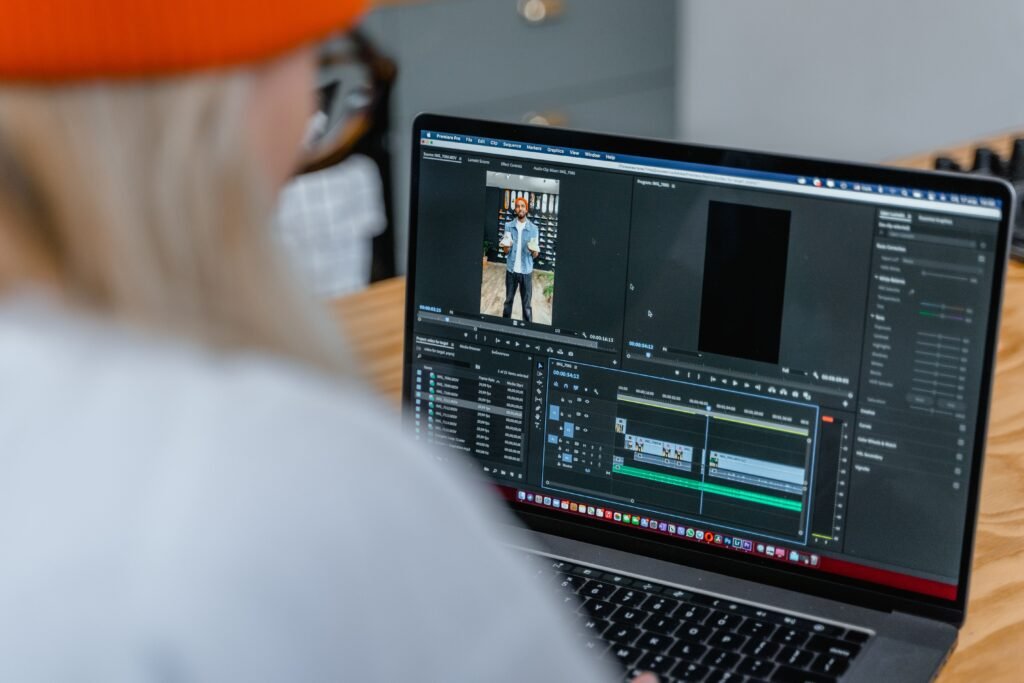
Editing-only services exist specifically for businesses that already have usable footage but don’t have the time, skill, or software to turn it into something polished. If you have product footage, a testimonial, or a founder recording, editing alone — without scripting, filming crews, or locations — can turn that raw material into publish-ready content at a fraction of full production cost. Knowing the difference between editing services and full production services is one of the most useful things a new business owner can learn before requesting quotes, since the two get priced very differently.
What to Budget as a First Step
For an editing-only project using existing footage, a standard promo or social video typically runs a few hundred dollars for a single piece, with ongoing packages available once you’re producing content regularly. This is a fraction of full production costs, which typically start much higher once scripting, filming crews, and locations enter the picture. Starting with one or two editing-only projects is a low-risk way to test whether video is working for your business before committing to a larger, ongoing budget.
Common Early Mistakes to Avoid
A few patterns show up repeatedly among small businesses new to video. Overproducing a first attempt — spending heavily on a single polished video before knowing whether the format or platform actually works for the business — wastes budget that could have tested multiple simpler ideas instead. Posting inconsistently, rather than committing to even a modest regular schedule, makes it hard to build any real audience momentum. And skipping a clear call to action at the end of a video — assuming viewers will figure out the next step themselves — leaves genuine interest with nowhere to go.
Building a Simple, Repeatable Process
Once an initial format is working, the next step is turning it into a repeatable process rather than a one-off project. That usually means a consistent posting schedule, a defined workflow for turning raw footage into finished content, and a clear sense of what success looks like — website visits, inquiries, or sales tied back to the video content. This is exactly the stage where working with an editing service becomes worth considering, since consistency is far easier to maintain with a defined process than by relearning editing from scratch for every new video.
The Cut Up works with small businesses at exactly this starting point, handling the editing so business owners can focus on running the business rather than learning video production from scratch. You can browse past projects or read more about the team to see what a manageable first step actually looks like.
Frequently Asked Questions
1. Do small businesses need professional equipment to start with video?
No — many successful small business videos start with footage shot on a phone. The editing is usually what turns simple raw footage into something polished and publish-ready.
2. Should a small business try to post on every platform at once?
Generally not — it’s more effective to pick one platform matching where your customers actually spend time, build consistency there, and expand once that’s working.
3. What’s the difference between video editing and full video production for a business?
Editing-only services work with footage you already have. Full production includes scripting, filming crews, and locations, which is priced significantly higher than editing alone.
4. What’s a reasonable first budget for small business video editing?
An editing-only project using existing footage typically runs a few hundred dollars for a single piece, making it a low-risk way to test whether video works for your business.
5. What’s the most common mistake small businesses make with video content?
Overproducing a single first video instead of testing a simpler, more consistent approach, or posting inconsistently once a format is chosen, which makes it hard to build real momentum.
Have footage sitting on your phone that could become your first business video? Get in touch with The Cut Up for a straightforward starting point.