


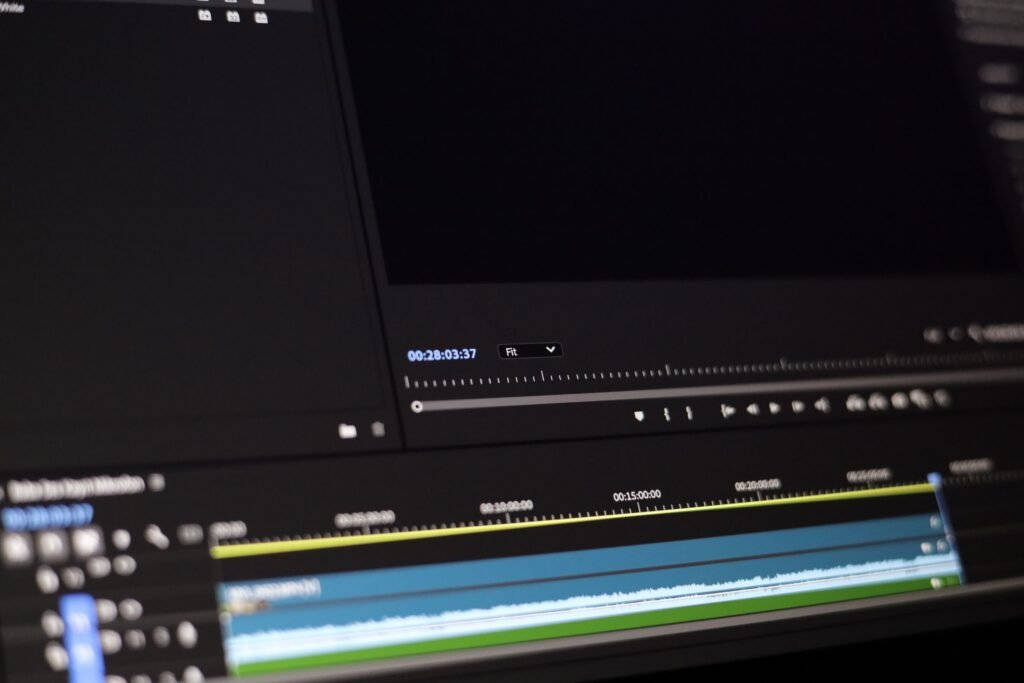
How to Turn One YouTube Video Into Multiple Shorts
Turn One YouTube Video Into Multiple Shorts
Every long-form YouTube video you publish already contains several Shorts inside it — most creators just never pull them out. Turning one video into multiple Shorts is one of the most efficient ways to grow reach and stay consistent on the platform, without filming anything new. Here’s a practical process for finding the right moments and cutting them so they actually perform.
Why This Is Worth Doing
Shorts and long-form videos often reach different parts of your audience. Someone who’d never click a 15-minute video might watch a 45-second Short — and if it lands, it can pull them into your channel and eventually your full-length content. It also solves a consistency problem: a single long-form video can realistically produce three to six solid Shorts, giving you extra content for the week without extra filming time.
Step 1 — Find the Moments That Work Alone
Not every part of a video makes a good Short. Scan your footage for moments that stand on their own without needing the rest of the video for context:
- A strong, specific piece of advice or takeaway
- A surprising fact, story, or reveal
- A clear opinion or hot take
- A moment of genuine reaction or energy
- A quotable line that sums up a bigger point
If a moment only makes sense after watching the two minutes before it, it’s probably not a strong Short candidate on its own.
Step 2 — Cut for the First Two Seconds
Shorts live or die in the first two seconds. If the hook doesn’t immediately signal what the viewer is about to get, they scroll past before the payoff even starts. This often means starting the clip mid-sentence, right at the interesting part, rather than including a slow lead-in that made sense in the full video but kills momentum in a 30-second clip.
Step 3 — Reformat, Don’t Just Trim
A good Short is edited for its new format, not just cut down from the original:
- Reframe for vertical (9:16) rather than cropping the center of a horizontal shot
- Add accurate, well-timed captions, since a large share of Shorts get watched with sound off
- Tighten pacing — remove pauses and filler that were fine in long-form but drag in a short clip
- Add a clear ending instead of letting the clip trail off mid-thought
Skipping this step is the most common reason repurposed Shorts underperform — they look and feel like leftover clips instead of content built for the format.
Step 4 — Build It Into Your Regular Workflow
Instead of treating Shorts as an afterthought once a long-form video is done, it helps to tag potential Short moments while you’re still editing the main video, then batch-cut them once the full edit is locked. This keeps repurposing from becoming a separate, time-consuming project every single week.
If you’re also repurposing podcast episodes into clips, the same tagging-and-batching approach works across formats, so you’re not rebuilding the process from scratch for every content type.
When It’s Worth Outsourcing
Pulling three to six Shorts out of every long-form video is genuinely useful — and genuinely time-consuming to do well every week on top of everything else involved in running a channel. This is exactly the kind of repetitive, format-specific editing work that’s easy to hand off without losing creative control over your main videos. The Cut Up’s YouTube Shorts editing service is built specifically for this — turning your existing long-form footage into a steady stream of Shorts without adding to your own editing workload. You can see how the process works and browse a few example Shorts from past projects before deciding if it’s the right fit.
Frequently Asked Questions
1. How many Shorts can you get from one long-form YouTube video?
Most well-structured long-form videos can realistically produce three to six strong Shorts, depending on video length and how many distinct, self-contained moments it contains.
2. Should Shorts be reframed for vertical, or is cropping enough?
Reframing is almost always better than a straight crop — cropping the center of a horizontal shot often cuts off important visual context that a proper vertical reframe preserves.
3. Why do some repurposed Shorts underperform?
Usually because they were trimmed down without being reformatted for the platform — no reframing, weak hook, missing captions, or pacing that still feels like long-form video.
4. Should I plan for Shorts while filming, or only during editing?
Both work, but tagging potential Short moments during recording or the main edit saves significant time compared to scrubbing through the full video separately afterward.
5. Is it worth outsourcing Shorts creation if I already edit my own long-form videos?
It often is, since Shorts require a different editing approach (vertical reframing, hook-focused pacing) that takes real time to do well consistently, even for editors comfortable with long-form work.
Already sitting on long-form footage that could be working harder? Get in touch with The Cut Up and turn your next video into a batch of publish-ready Shorts.