
How to Repurpose One Video Into a Month of Content
How to Repurpose One Video Into a Month of Content
A single well-planned recording session — one YouTube video, one podcast episode, one interview — genuinely contains a month of content if it’s broken down properly. Most creators and businesses only pull one or two pieces out of a session and let the rest go unused, treating each recording as a single deliverable instead of a source of material. Here’s a practical content repurposing strategy for getting far more mileage out of content you’re already creating.
Why Most Creators Underuse Their Own Footage
The instinct after finishing a video is to publish it and move on to planning the next one. That leaves most of the value sitting in unused footage — the moments that didn’t fit the main edit, the tangents that would work great as standalone clips, the quotable lines buried in the middle of a longer conversation. A single hour of raw footage typically contains far more usable content than the one finished piece it becomes.
Map Your Formats Before You Film
Repurposing works best when it’s planned ahead of time rather than figured out after the fact. Before recording, it helps to know roughly what you’re aiming to extract: a long-form video for YouTube, three to six Shorts, a handful of quote graphics, and a few longer-form clips for other platforms. Structuring a recording with slightly longer answers or more complete thoughts than you might otherwise use makes each of these easier to pull out cleanly afterward, since natural pauses and self-contained moments become genuine cut points instead of awkward mid-sentence trims that need extra editing work to smooth over.
The Repurposing Breakdown, Piece by Piece
A single 20–30 minute recording can realistically produce:
- One long-form piece — the main YouTube video or podcast episode, edited for full-length platforms
- Three to six short clips — for TikTok, Reels, and Shorts, pulled from the strongest self-contained moments
- A handful of quote or text graphics — for static social posts, using the most quotable lines
- One or two longer-form clips (2–5 minutes) — for platforms or audiences that want more context than a 30-second clip provides
- Show notes or a written recap — repurposing the same content into a blog-style summary or newsletter piece
That’s potentially ten or more distinct pieces of content from a single recording session, spread across a week or more of posting instead of one video and done. The exact breakdown depends on the source material — a dense, quote-heavy conversation yields more clips than a slower, single-topic explainer — but most recordings have more usable material in them than creators initially assume.
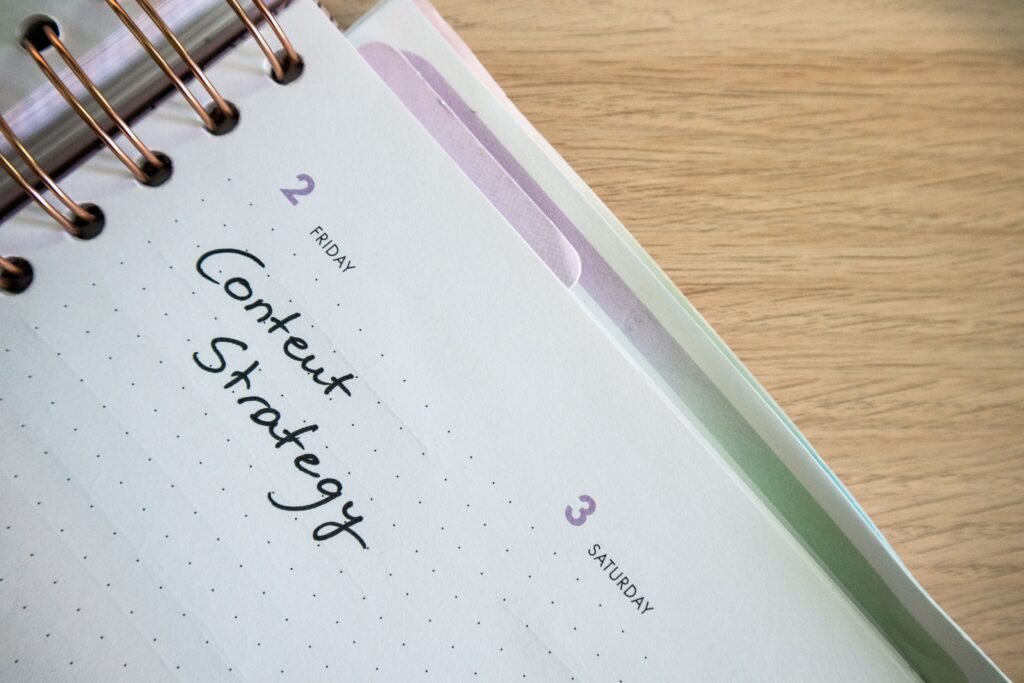
A Simple Content Calendar From One Recording
Spreading this breakdown across a posting calendar turns one recording session into weeks of output rather than a single day’s worth of content. A typical spread might look like: the long-form video on day one, two to three short clips through the following days, a quote graphic mid-week, and a longer-form clip or written recap toward the end of the week — with enough material left over to carry into a second week if the recording was rich enough. This kind of spacing also tends to perform better than posting everything at once, since it gives each piece room to be discovered rather than competing with the others for attention.
Platform-Specific Adjustments That Matter
The same core moment usually needs small adjustments for each platform rather than a straight copy-paste. Vertical reframing matters for TikTok, Reels, and Shorts, since a straight crop from horizontal footage often loses important visual context. Caption styling and pacing expectations differ slightly by platform too — what reads as well-paced on YouTube can feel slow on TikTok, and a hook that works for a Reels audience might need retiming for a Shorts audience with slightly different scrolling habits. These are small adjustments individually, but skipping them is one of the most common reasons repurposed content underperforms compared to content built for the platform from the start.
Building This Into a Repeatable System
The biggest shift that makes repurposing sustainable is treating it as a defined process rather than a one-off task after each piece of content. That usually means tagging potential clip-worthy moments during or right after recording, rather than scrubbing through the full footage later trying to remember where the good parts were. Once that habit is in place, breaking a single recording into a week or more of content becomes a repeatable step in the production process instead of a separate project every time, and it scales naturally as your recording frequency increases.
When It’s Worth Outsourcing the Breakdown
Doing this well, consistently, on top of planning, recording, and everything else involved in producing content, is where most creators and businesses start falling behind. This is exactly the kind of repetitive, format-specific work that’s easy to hand off without losing control over your original content or message. The Cut Up’s short-form video editing and podcast clip editing services are both built around this kind of repurposing work — turning one recording into a full spread of platform-ready content. You can see how the process works or browse past projects to see it in practice.
Frequently Asked Questions
1. How many pieces of content can one video realistically produce?
A well-structured 20–30 minute recording can often produce ten or more pieces — one long-form video, several short clips, quote graphics, and written recap content.
2. Should I plan for repurposing before or after recording?
Before, ideally — structuring a recording with complete thoughts and natural pauses makes it far easier to extract clean, self-contained moments afterward.
3. Can the same short clip be posted on TikTok, Reels, and Shorts without changes?
Mostly, yes, though small adjustments — captions, pacing, and vertical reframing — usually improve performance compared to posting the exact same file everywhere unchanged.
4. Is content repurposing only useful for video creators?
No — the same recording can also become written content like show notes, blog recaps, or newsletter material, extending its reach well beyond video platforms alone.
5. At what point does it make sense to outsource repurposing?
Once breaking down each recording starts competing with time spent planning and creating new content, outsourcing the repurposing work usually pays for itself in consistency and time saved.
Have recordings sitting unused that could be stretched into weeks of content? Get in touch with The Cut Up and see what a full repurposing breakdown could look like.